Transform Your Utility Operations with Modern ERP: From Data Chaos to Strategic Control

When a major utility company experiences an unexpected equipment failure, the ripple effects can cost millions in repairs, regulatory fines, and lost customer trust. The root cause? Disconnected systems that prevent teams from seeing critical warning signs buried in their operational data.
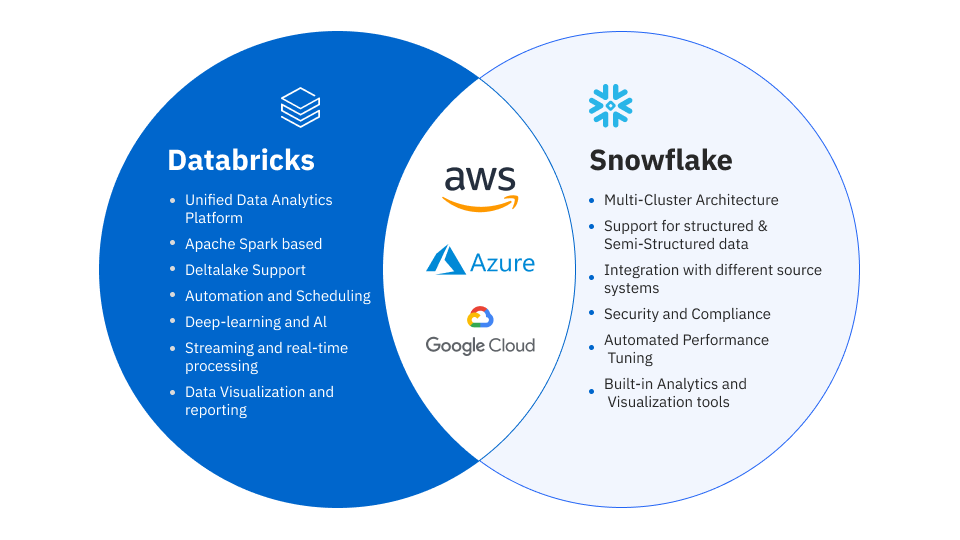
Modern ERP solutions designed for utilities create a unified operational backbone that connects everything from predictive maintenance analytics to real-time customer service data. At Blue Orange Digital, we’ve helped utility companies leverage cloud-based ERP platforms integrated with advanced data engineering on Snowflake and Databricks to transform reactive operations into proactive, data-driven strategies.
The Hidden Cost of Disconnected Utility Systems
Most utility companies operate with a patchwork of legacy systems—billing platforms that don’t communicate with asset management tools, maintenance schedules disconnected from real-time sensor data, and compliance reporting that requires manual data compilation from dozens of sources.
This fragmentation creates blind spots that cost utilities dearly. According to McKinsey’s research on digital utilities, companies with integrated operational systems reduce unplanned outages by up to 35% and decrease maintenance costs by 20-25%.
Breaking Down the Build vs. Buy Decision
Every utility faces a critical choice: invest in customizing an off-the-shelf ERP solution or build something tailored to their unique infrastructure.
When Commercial ERP Makes Sense
Standard ERP platforms work best when your utility operates traditional infrastructure with common regulatory requirements. If you need rapid deployment (12-18 months) and your processes align with industry standards, platforms like SAP for Utilities or Oracle Utilities can provide immediate value.
The trade-off? You’ll likely spend additional time and budget customizing these solutions to match your specific workflows and integration requirements.
The Case for Custom Solutions
Utilities managing unique infrastructure—such as renewable energy microgrids, combined heat and power systems, or specialized distribution networks—often find that custom ERP development delivers better long-term ROI.
Blue Orange Digital recently partnered with a regional utility managing both traditional and renewable assets. By building custom data pipelines in Databricks that fed into a tailored ERP framework, we helped them achieve 40% faster issue resolution and eliminate manual compliance reporting entirely.
Real-World Impact: How Modern ERP Transforms Utility Operations
Predictive Maintenance That Actually Works
Instead of waiting for transformers to fail, modern ERP systems analyze patterns across thousands of data points—temperature readings, load patterns, historical failure data—to predict equipment issues weeks in advance.
One Midwest utility company implemented AI-powered predictive analytics within their ERP system and reduced emergency maintenance calls by 45% in the first year. Their field crews now receive automated work orders for preventive maintenance, scheduled during optimal windows to minimize customer impact.
Customer Service Revolution Through Real-Time Data
When storms hit or equipment fails, customer service teams need instant access to accurate information. Modern ERP platforms integrate with smart grid sensors and GIS mapping to provide real-time outage visualization.
Customer service representatives can see exactly which neighborhoods are affected, estimated restoration times based on crew locations and work complexity, and even proactively notify customers through automated messaging systems—all from a single interface.
Compliance Automation That Saves Millions
Regulatory compliance in the utility sector requires meticulous documentation across safety, environmental, and financial metrics. Manual compilation of these reports often takes weeks and leaves room for costly errors.
By implementing automated compliance modules within their ERP systems, utilities can generate regulatory reports in hours instead of weeks. Recent industry analysis shows that automation reduces compliance costs by up to 60% while improving accuracy.
The Data Engineering Foundation for Utility ERP Success
Successful ERP implementation for utilities requires more than just software—it demands a robust data architecture that can handle massive volumes of sensor data, customer information, and operational metrics.
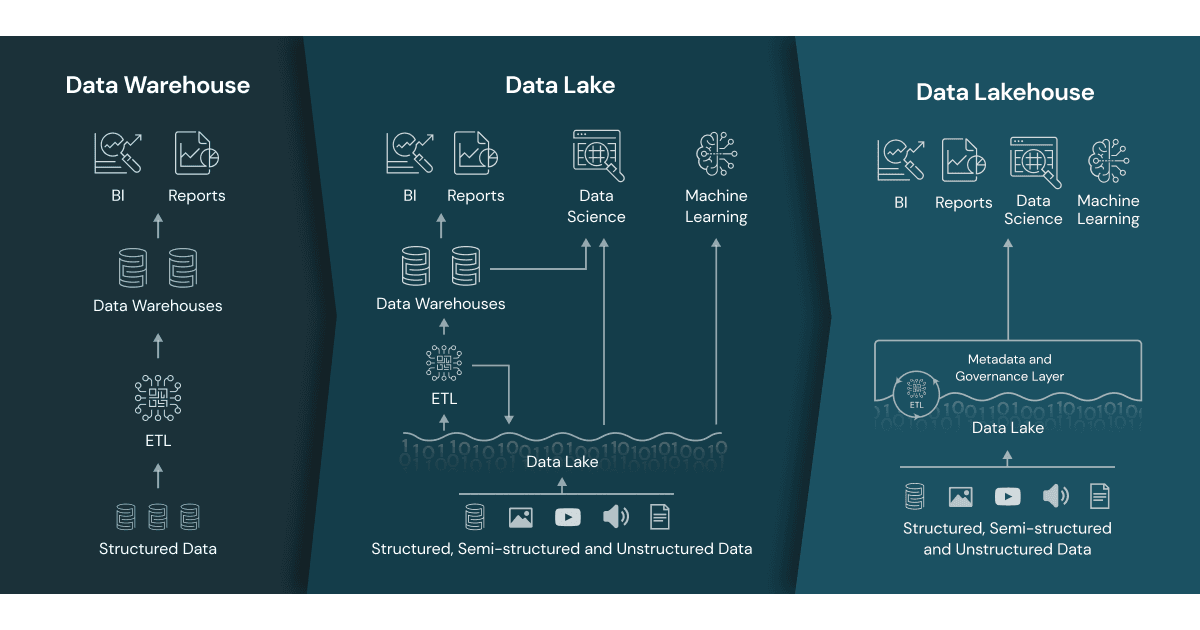
Building Your Data Lake Strategy
Blue Orange Digital specializes in creating scalable data lakes using Snowflake’s cloud architecture, enabling utilities to:
- Consolidate data from hundreds of sources into a single, queryable repository
- Process real-time sensor data from thousands of grid components
- Enable advanced analytics without impacting operational system performance
- Scale storage and compute resources independently based on demand
AI Agents for Intelligent Automation
Beyond traditional automation, AI agents can actively monitor your ERP data streams to identify anomalies, suggest optimization opportunities, and even execute routine tasks autonomously.
For example, an AI agent monitoring equipment performance data might automatically:
- Adjust maintenance schedules based on actual wear patterns
- Reroute power flows to prevent overloads
- Generate procurement orders when spare parts inventory falls below optimal levels
- Alert managers to unusual consumption patterns that might indicate theft or equipment malfunction
Implementation Roadmap: From Vision to Value
Phase 1: Assessment and Architecture (Months 1-3)
Start by mapping your current systems and data flows. Identify critical integration points and establish clear success metrics. This phase should produce a detailed implementation blueprint that addresses both technical requirements and change management needs.
Phase 2: Core Platform Development (Months 4-9)
Whether customizing a commercial platform or building custom solutions, focus first on establishing your central data repository and core operational modules. Prioritize capabilities that deliver immediate value—typically asset management and work order systems.
Phase 3: Integration and Intelligence (Months 10-15)
Connect your ERP to existing systems through APIs and data pipelines. Implement AI-powered analytics for predictive maintenance and automated reporting. This phase transforms your ERP from a record-keeping system into a strategic decision-making platform.
Phase 4: Optimization and Expansion (Ongoing)
Once your core ERP is operational, continuously refine processes based on performance data. Expand automation capabilities, enhance predictive models, and explore new use cases for your integrated data platform.
Measuring Success: KPIs That Matter
Track these metrics to validate your ERP investment:
| Metric | Target Improvement | Typical Timeline |
|---|---|---|
| Unplanned Outage Duration | 30-40% reduction | 12-18 months |
| Maintenance Costs | 20-25% reduction | 18-24 months |
| Compliance Reporting Time | 70-80% reduction | 6-9 months |
| Customer Satisfaction Scores | 15-20% improvement | 12-15 months |
| First-Call Resolution Rate | 25-30% improvement | 9-12 months |
Common Pitfalls and How to Avoid Them
Underestimating Data Preparation
Many utilities rush into ERP implementation without properly cleaning and standardizing their existing data. Invest time upfront in data quality initiatives to avoid costly rework later.
Ignoring Change Management
Technical implementation is only half the battle. Successful ERP adoption requires comprehensive training programs and clear communication about how new systems benefit individual team members.
Over-Customization
While customization is often necessary, excessive modifications can make systems difficult to maintain and upgrade. Focus customization efforts on truly differentiating capabilities rather than personal preferences.
The Path Forward: Making ERP Work for Your Utility
Modern ERP implementation for utilities isn’t about replacing everything overnight—it’s about strategically connecting your operational data to drive better decisions and automate routine processes.
The utilities that thrive in the next decade will be those that transform their scattered data into unified intelligence, enabling them to predict problems before they occur, serve customers proactively, and operate with unprecedented efficiency.
Blue Orange Digital brings deep expertise in data engineering, AI automation, and practical implementation strategies that help utilities realize these benefits without the typical risks and delays of large-scale digital transformation projects.
By focusing on incremental value delivery and leveraging modern cloud platforms like Snowflake and Databricks, we help utilities build ERP solutions that scale with their needs while delivering measurable ROI from day one.
The question isn’t whether your utility needs integrated ERP capabilities—it’s how quickly you can implement them to stay competitive in an increasingly data-driven industry. With the right partner and approach, the transformation from reactive operations to predictive excellence is not just possible—it’s inevitable.