

Demand, pricing and supply chain intelligence.
From forecast to shelf to shopper.
We unify syndicated, point-of-sale and first-party data into one trusted foundation, then build forecasting, pricing and supply chain models that reduce waste and grow margin across every channel.
AI changes how the work gets done here: the tasks that take a team days run in hours, with your people reviewing the exceptions. It shows up as cost, revenue, and the pace of improvement.
Three companies, three targets. Each moves to the level its P&L needs.
- Demand forecast, Food and beverage: moves from Level 1 to Level 2. Forecasts built on stale data. Every item forecast by day and store.
- Replenishment, Pet care: moves from Level 1 to Level 3. Thousands of SKUs planned by hand. Near real-time inventory in one view. Agent sets replenishment timelines.
- Price and promotion, Personal care: moves from Level 1 to Level 4. Price and promo set on stale data. Sales, panel and competitive data joined. Agent drafts price and promotion moves. Pricing, promotion and assortment coordinated.
Three companies, three targets. Each moves to the level its P&L needs.
- Demand forecast, Food and beverage: moves from Level 1 to Level 2. Stale data. By day and store.
- Replenishment, Pet care: moves from Level 1 to Level 3. By hand. One view. Agent sets.
- Price and promotion, Personal care: moves from Level 1 to Level 4. Stale data. Data joined. Agent drafts. Coordinated.



 Azure
Consumer data is everywhere, and rarely connected.
Fragmented sources
POS, IoT, panel and third-party data live apart, blocking a unified view of the shopper.
Margin pressure
Pricing, promotion and assortment decisions made on stale data erode margin and waste stock.
Supply volatility
Thousands of SKUs with unique properties and shelf lives strain replenishment planning.
We bring measurement, panel, commerce and ERP data into one governed lakehouse: the 360-degree view that powers forecasting and shopper insight.



 NetSuite
The sponsor sees margin and waste, not models. We unify syndicated, point-of-sale and first-party data, then build the forecasting, pricing and supply chain models that cut waste and grow margin, and what ships at one brand starts the next.
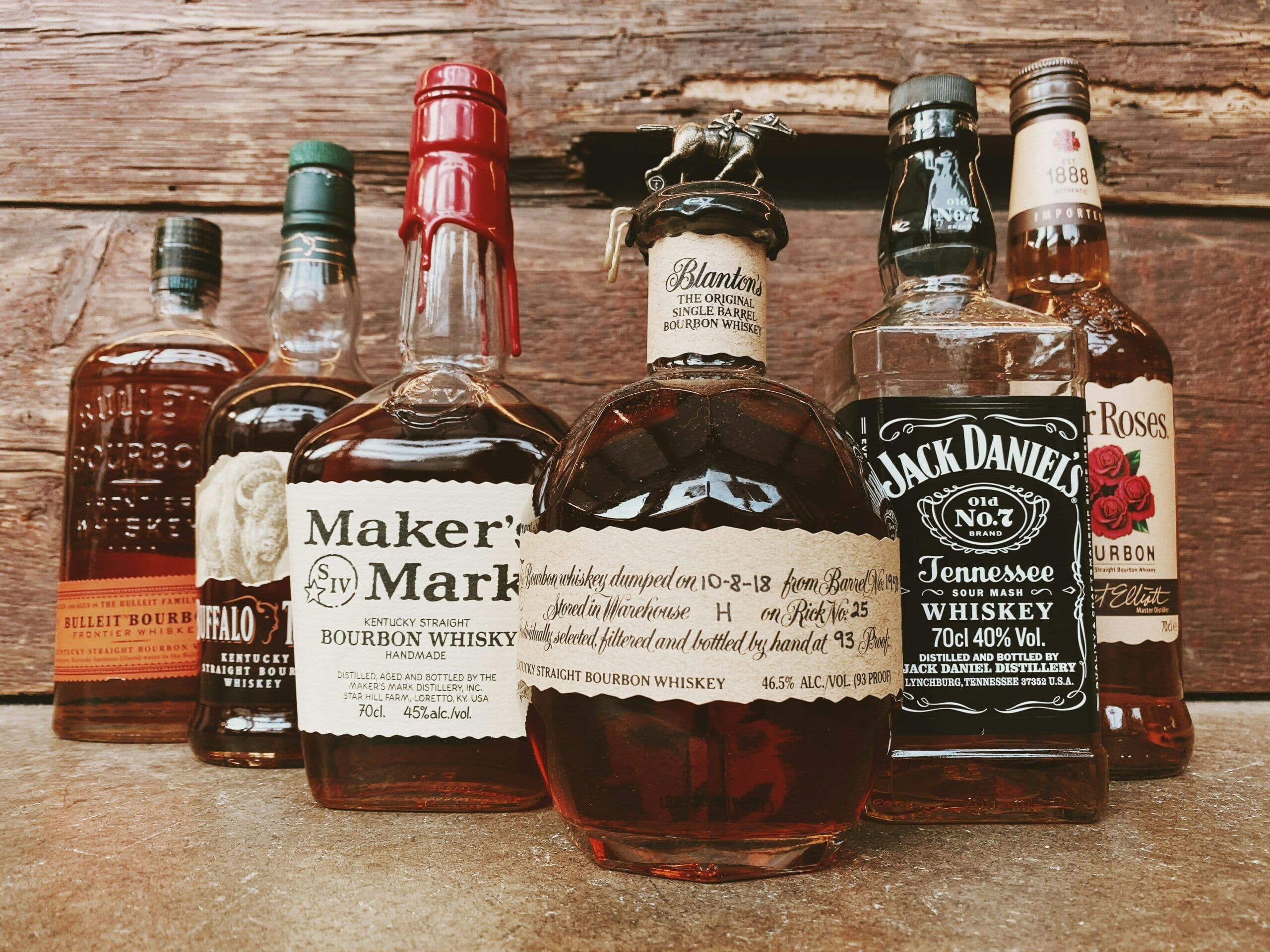
- CPG50%shorter allocation planning cycleHeaven Hill halved its spirits allocation planning cycle

- CPG31%lower monthly cloud costNu Skin cut monthly cloud costs 31% by rebuilding its data pipelines


- CPG100%of reporting queries moved off the production database44 Farms moved all reporting off its production database


Three stages and an advisory retainer, with published prices.
- Find where AI paysStage 1 of 3
Assess
Know where AI creates value.
- Time
- 2 to 4 weeks
- Price
- $25K to $50K
A free diagnostic first, then the full readout: opportunity map, ROI model, 90-day plan, board-ready.
Explore Assess - Build the first workflowStage 2 of 3
Build
Ship the first workflow.
- Time
- 3 to 6 months
- Price
- $75K to $350K
A senior pod takes one function to Level 3 (software runs the workflow, people review the exceptions) in production. First workflow live by day 100.
Explore Build - Repeat it across the portfolioStage 3 of 3
Scale
Repeat it across the book.
- Time
- Per year, annual agreement
- Price
- $250K to $1.5M+
What ships at company one is the starting point at company two. 3 to 15 companies.
Explore Scale - A senior AI lead on retainerAlongside every stage
Advisory
Fractional AI leadership.
- Time
- Monthly, 3-month minimum
- Price
- $15K to $30K / mo
A Portfolio Success Partner for board reporting, governance, and vendor management.
Explore Advisory
Common questions.
What does Blue Orange do for CPG companies?
We unify syndicated, point-of-sale and first-party data into one trusted foundation, then build forecasting, pricing and supply chain models that reduce waste and grow margin across every channel. From forecast to shelf to shopper.
Which CPG data sources does Blue Orange connect?
NIQ and Numerator for syndicated and panel data, Shopify for commerce and NetSuite for ERP. We bring measurement, panel, commerce and ERP data into one governed lakehouse: the 360-degree view that powers forecasting and shopper insight. We build on Claude and Databricks.
Can AI improve demand forecasting for CPG?
Yes. The first step is moving from forecasts built on stale data to every item forecast by day and store (Level 2). With near real-time inventory in one view, an agent can then set replenishment timelines for thousands of SKUs (Level 3, L3).
How does Blue Orange help with pricing and promotion?
By joining sales, panel and competitive data, so pricing, promotion and assortment decisions stop being made on stale data that erodes margin and wastes stock. At Level 3 (L3) an agent drafts price and promotion moves; at Level 4 pricing, promotion and assortment are coordinated.
What does the PE sponsor get from CPG data and AI?
Margin and waste, not models. We unify syndicated, point-of-sale and first-party data into one governed lakehouse, then build forecasting, pricing and supply chain models that reduce waste and grow margin across every channel. What ships at one brand in the portfolio is the starting point at the next.
How do we start, and what does it cost?
Book a free diagnostic. For a CPG company it usually starts with the demand forecast: a read-only look at your syndicated, point-of-sale and ERP data places you on the five AI maturity levels we defined (L1 to L5), with a six-dimension readout and a ranked workflow list. Complimentary for qualified companies; the full Assess is 2 to 4 weeks at $25K to $50K fixed.