The workflow before#
This private equity firm runs a busy deal pipeline, and its analysts are hired to judge companies, not to gather data about them. In practice, deal data lived in Salesforce, the portfolio system, finance systems, PitchBook, Crunchbase, news feeds and shared spreadsheets, each with its own naming. Analysts spent about 70% of their time collecting and reconciling data by hand. A CIM review took about 4 weeks, much of it spent pulling company, market and comparable data together before anyone could form a view. A full company profile took days to assemble, and much of that work started over with each new deal.
What we built#
We built a governed data layer that brings the firm's 15+ internal and external sources into one place, tested and ready to use. When a CIM arrives, the deal team opens the review with the company, market and comparable data already assembled. Review time goes to judgment instead of collection.
Every source on a schedule
Each source is extracted on a schedule, including custom connectors for proprietary systems, and raw files land in cloud storage before loading into bronze, silver and gold layers. Nobody exports a spreadsheet to start a review anymore. We used standard open connectors wherever they existed, so adding a source is configuration rather than a project.
Business logic written once and tested
The firm's definitions of companies, deals, funds and metrics live in more than 200 tested models with 500+ data tests. If a source changes shape or a number falls outside expected bounds, a test fails before the figure reaches a deal team. We put the logic in one place because the same metric had been calculated differently in different spreadsheets.
Self-service dashboards for deal teams
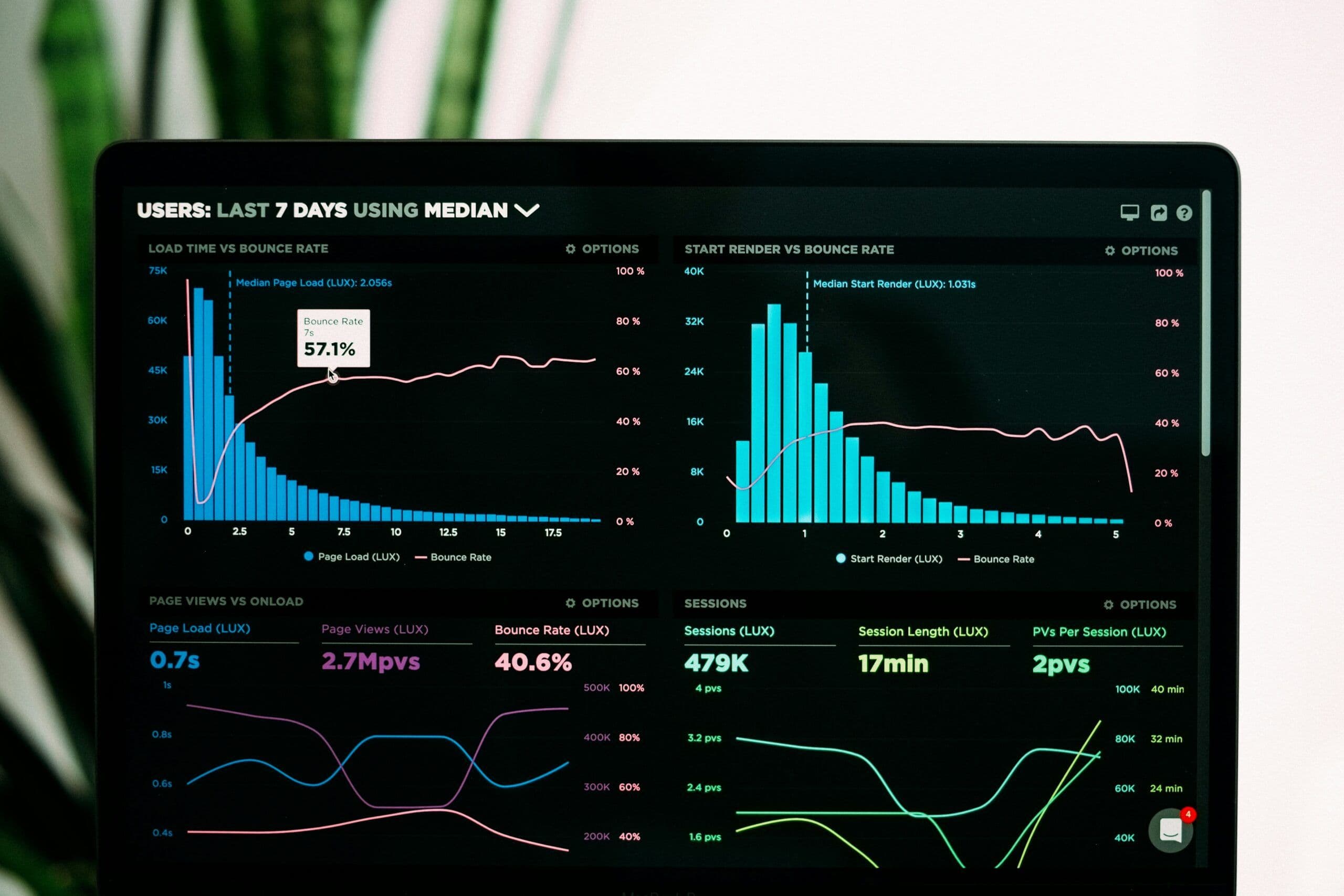
Deal teams get self-service dashboards for pipeline status, portfolio metrics and benchmarks, all reading from the same gold layer. Analysts pull a company profile in minutes instead of days. Access is controlled by fund and by field, so sensitive data stays with the people cleared to see it.
How we delivered it
We rolled the work out in phases: core sources and ingestion first, then the tested models, then dashboards for deal teams. Along the way we held weekly working sessions with the investment team and refined the models from their feedback. More than 50 pipelines now run under one orchestrator, analyst time on manual data work fell from about 70% to about 15%, and the data prep queue went from 70 to 10.
Before and after#
| Measure | Before | After |
|---|---|---|
| CIM review cycle | 4 weeks | 1 week |
| Analyst time on manual data work | 70% | 15% |
| Analyst queue on data prep | 70 | 10 |
| Report generation | Days | Minutes |
What's next#
With every source unified and tested, the next step is an agent that reads each incoming CIM, scores it against the firm's criteria and routes the strong ones to the deal team for review. Analysts would still make the call; the agent would take the first read.