The workflow before#
Tungsten Automation's marketplace lists hundreds of automation tools for insurers, from claims intake to underwriting and compliance. It's where Tungsten's customers go to find the next thing to add, so a buyer who can't find the right tool is a lost sale. Search worked by keyword, and keywords missed context: a search for underwriting tools couldn't tell a carrier's needs from a broker's. Anything deeper meant writing structured queries or asking support. Finding a relevant listing took 15 to 30 minutes. About 40% of visitors left without finding one, and the support team handled around 150 'how do I find' tickets a month.
What we built#
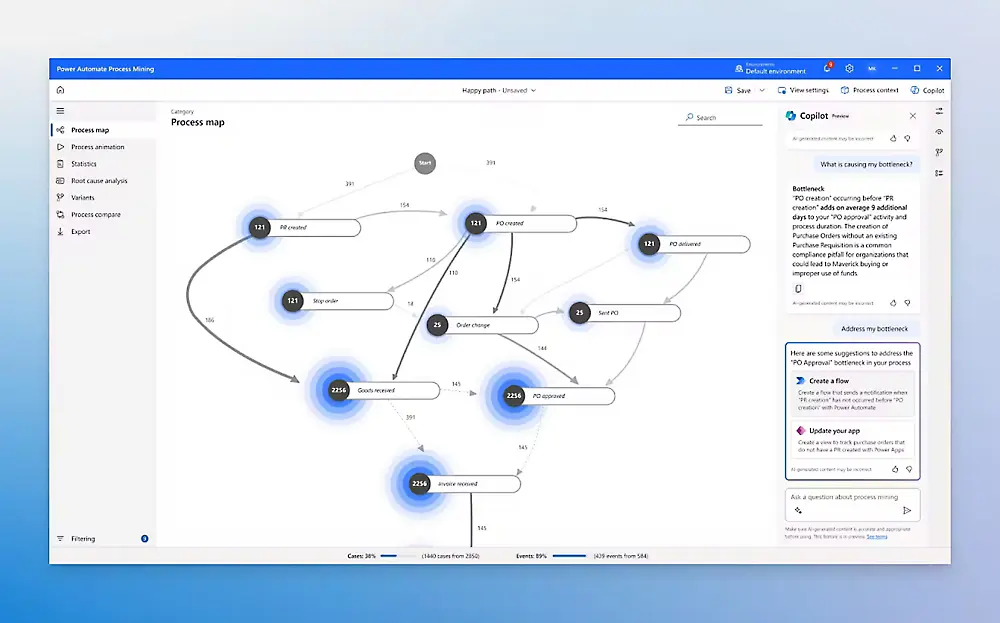
We built a copilot inside the Tungsten Marketplace that people can ask in plain English, such as 'compare document processing tools for underwriting.' It understands what they mean, knows how tools, vendors and integrations relate, and returns a ranked shortlist with the reasons behind each pick. It then helps the buyer compare and evaluate instead of leaving them to open twenty tabs.
Questions in the buyer's own words
The copilot works out what a user is asking for and picks out the details that matter: the line of business, the process step, the systems they already run. We tuned the language models on insurance vocabulary, because terms like 'loss run' or 'FNOL' mean something specific and a general model would read them loosely.
A map of how tools connect
Behind the copilot sits a knowledge graph of listings, vendors, use cases and integrations, alongside a semantic search index. We used a graph because buyers rarely ask for a tool in isolation. They ask what works with their claims system or what other carriers use for a step, and those answers live in the relationships.
Results that fit the buyer
Recommendations are personalized by role, insurance line and company size, so an underwriting lead at a regional carrier sees a different shortlist from a claims manager at a national one. Tungsten's team tuned the ranking through A/B tests against real search behavior rather than guesswork.
Guided comparison and new listing alerts
Once a buyer has a shortlist, the copilot walks them through comparing and evaluating tools across several turns of conversation. It also surfaces new listings and integrations to the users most likely to care about them, so vendors get seen by the right buyers.
How we delivered it
The copilot went live after a 35-week build. We built language understanding and the knowledge graph first, then the recommendation models, then the conversational layer on top of the marketplace's existing APIs. Ranking was tuned through A/B tests before full rollout, and single sign-on meant marketplace users could start asking questions without a separate login.
Before and after#
| Measure | Before | After |
|---|---|---|
| Time to find a relevant listing | 15 to 30 minutes | 2 to 5 minutes |
| Searches that lead to an evaluation | 5 to 8% | 18 to 25% |
| Support tickets per month | 150 | 40 |
| User satisfaction | 3.2 out of 5 | 4.5 out of 5 |
What's next#
Next, the copilot can carry a buyer past the shortlist. It would run integration checks against their existing systems and set up a trial request, with Tungsten's team stepping in only on the exceptions. The goal is to shorten the path from first question to a tool in use.